The short answer
- Healthy hard coral is brown, olive and cream: not the neon in the brochures.
- The neon photos are soft coral, camera flash and colour grading. Knowing that changes the day.
- The outer reef is far less affected by runoff than inshore sites, so it's the more reliable choice.
- Turtles, Maori wrasse and reef sharks are routine sightings, not lucky ones.
- Every commercial visitor pays a reef tax. It's compulsory, and reputable operators include it.
People arrive in Cairns with a picture in their head, and it's usually a wide-angle shot of neon coral in impossibly blue water. Then they get in, and it doesn't look like that.
The gap between the photograph and the water is the most common source of disappointment on a reef day, and almost all of it is avoidable with about five minutes of expectation-setting. Here's the honest version.
The colour question
This is the single most useful thing to know before you get in the water.
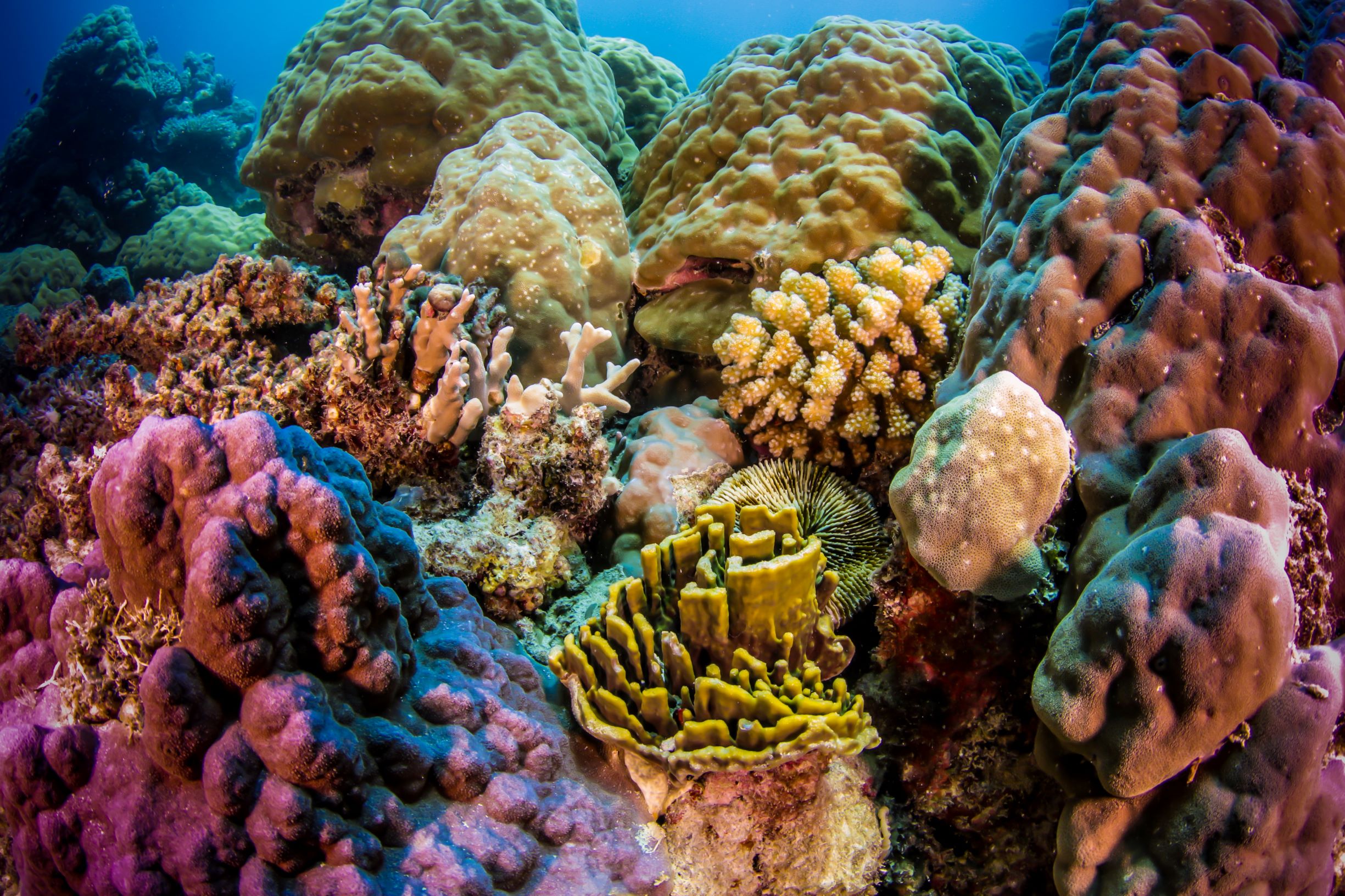
Healthy hard coral is brown, olive, cream and dusty pink. That's what it looks like, and that's what healthy looks like. The colour comes from the algae living inside it, and those algae are brown.
The neon coral in the marketing photographs is three things: soft coral, which genuinely is vivid; camera flash, which restores the red end of the spectrum that water absorbs within a few metres; and colour grading in post-production. None of that is dishonest exactly, but it does mean the photograph is not what your eyes will see.
Two practical consequences. First, brown coral is not dead coral: dead coral is white, then grey, then covered in algae. Second, if you want the photographs, you need a camera with a flash or a red filter, not better weather.
Quick picks
What you see depends far more on the boat and the day than on the reef's reputation.
- Best coral varietyA three-site dive-led boat, Silverswift, $308See the day →
- Most reliable in poor weatherA pontoon, sheltered, one well-managed siteSee the day →
- Choosing properlyThe questions that decide your dayRead the guide →
On this page
What you'll see
On a normal day at a decent outer reef site, in rough order of certainty:
| How likely | |
|---|---|
| Hard coral gardens and bommies | Certain |
| Reef fish in numbers: parrotfish, damsels, wrasse, butterflyfish | Certain |
| Giant clams | Very likely |
| Maori wrasse: huge, curious, habituated at popular moorings | Very likely |
| Green sea turtles | Likely |
| Whitetip or blacktip reef sharks | Reasonably likely, and harmless |
| Soft coral, in colour | Site-dependent |
| Rays | Occasional |
| Coral spawning | Around the full moons of late spring only |
| Dwarf minke whales | June and July, Ribbon Reefs, liveaboard only |
Based on what guests report back from the outer reef sites Cairns boats use.
What surprises most people is the fish. Visitors plan around coral and come back talking about the density of fish life, which on a good site is genuinely startling.
Why one day differs from the next
The reef isn't a fixed exhibit. Four things move, and none of them are about the reef's overall condition:
Which site you visit
Coral cover varies enormously over a few kilometres. This is why a boat that visits two or three moorings is better insurance than one that visits one, if the first site is ordinary, the second usually isn't. Silverswift at $308 does three, at Flynn, Pellowe, Milln or Thetford.
The tide
It changes water depth over the reef flat and the strength of the current. At an inshore or fringing site a low tide can mean very little water above the coral.
Recent rain
Sustained heavy rain over days pushes river sediment offshore and cuts visibility. A single shower does nothing. This affects inshore sites far more than the outer reef.
Wind and swell
Churned water is murkier, and a rough day at a mooring is a less pleasant swim regardless of what's underneath you.
Which reef the boat actually goes to
Operators choose on the day based on conditions, so treat any published itinerary as an indication rather than a promise. That's a safety and quality decision, not a bait-and-switch.
Inshore versus outer reef
The most consequential choice you'll make, and it's usually framed as a price question when it's really a reliability question.
The outer reef sits 40 to 70 kilometres offshore. There's no river influence out there, so visibility is far more consistent, the water is deeper, and the coral structures are bigger. Inshore and fringing reef: off Green Island or Fitzroy Island, is shallower, closer to shore, easier to reach and more variable.
Neither is wrong. An island day gives you a beach, shade and reef you can swim to from the sand, which is worth a great deal with children or nervous swimmers. But if coral quality is your priority, and particularly if it's been raining, go outer.
Our Green Island guide and Fitzroy Island guide are honest about that trade-off, and how far the reef is from Cairns covers the crossings.
The single best upgrade for what you'll see: take the guided snorkel. A marine guide will show you things you'd swim straight past, a stonefish, an octopus, a clam closing, the difference between two corals that look identical. On most boats it's free or a small add-on, and it changes the day more than a better camera would.
Managing expectations honestly
Three things we'd say to anyone booking their first reef day.
You are looking at a wild ecosystem, not an aquarium. Some of it will be spectacular, some of it will be rubble and sand, and both are normal parts of a reef. Rubble zones are where new coral recruits settle.
Your first ten minutes will be the worst ten minutes. Mask fogging, breathing through a snorkel, working out where to put your hands. Almost everyone's opinion of the reef improves substantially after twenty minutes in the water. If you get out early, you've judged it on the hard part.
The boat matters more than the reef. A well-run boat with forty people, a guided snorkel and three sites will give you a better day than a crowded one at the best site in the marine park. That's the argument we make in how to choose a reef tour, and it's the one thing you control.
What your ticket pays for
Worth knowing, because visitors often ask whether tourism is part of the problem.
Every commercial reef visitor pays an Environmental Management Charge: the reef tax. It's compulsory, and reputable operators fold it into the advertised price rather than adding it at the wharf. If a tour price looks impossibly cheap, this is one of the things usually sitting outside it. Our reef tour cost breakdown covers what should be included.
Beyond the charge, the things you'll notice on a well-run boat:
- Fixed moorings rather than anchors, so the boat isn't dropping steel onto coral.
- A briefing that tells you not to touch anything, and crew who mean it. Standing on coral is the most common damage a visitor does.
- Marked snorkel areas and lookouts, under Queensland's recreational diving and snorkelling code of practice.
- Reef-safe sunscreen encouraged, and often sold on board.
The practical version for you: don't touch, don't stand, keep your fins up, and use reef-safe sunscreen. That's most of a visitor's impact, and it's entirely within your control.
We haven't put coral-cover or bleaching percentages on this page. Those figures exist, they change year to year, and we'd rather send you to current scientific sources than quote a number we can't stand behind today. What we can tell you is what our guests see, week to week, on the boats we book.
Want the best chance of a good day?
Three sites beats one, a guided snorkel beats going alone, and fewer passengers beats a bargain. We'll tell you the numbers booked on your date.
Compare reef tours →How we know this
This page is built on what our guests report back from the boats we book each week, plus the operational facts we can point to: the Environmental Management Charge, Queensland's code of practice, and the reef sites each operator publishes. We've deliberately left out coral-cover statistics we can't verify today.
Reef conditions vary by site, tide, season and weather. For current scientific assessments, consult the reef management authorities directly.
What you'll see on the reef: our verdict
Set one expectation and the rest follows: healthy hard coral is brown, olive and cream, and the neon in the photographs is soft coral, flash and colour grading. What genuinely surprises people is the fish. Give yourself the best odds by choosing a boat that visits two or three sites, taking the guided snorkel, favouring the outer reef if it's been raining, and staying in the water past the first awkward ten minutes.