The short answer
- Cape Tribulation is 140 km north of Cairns: about 2.5 hours' drive, or 3 to 4 on a tour with stops.
- It's where the Daintree Rainforest meets the Great Barrier Reef: the only place on earth two World Heritage sites touch.
- You can drive there in a normal car. The road is sealed to Cape Trib; the vehicle ferry across the Daintree River is the only crossing.
- Dangerous? No, if you use your head. No swimming in rivers or estuaries, marine stingers November to May, and cassowaries are best left alone.
- How long? A day trip works. Two nights is when it starts to be worth the drive.
Cape Tribulation is the name people hear and then can't quite place. It's a headland, a beach, a tiny scattered settlement and the end of the sealed road, all at once, and it's the single most photographed stretch of coast in Far North Queensland.
This page is the practical version: how you get there, what the ferry situation is, what there is to do, and whether the things people worry about are worth worrying about.
What is Cape Tribulation?
Cape Tribulation is a headland on the coast about 140 km north of Cairns, inside the Daintree National Park. It was named by James Cook in 1770 after his ship struck a reef nearby, "here began all our troubles", which is a better piece of trivia than most place names get.
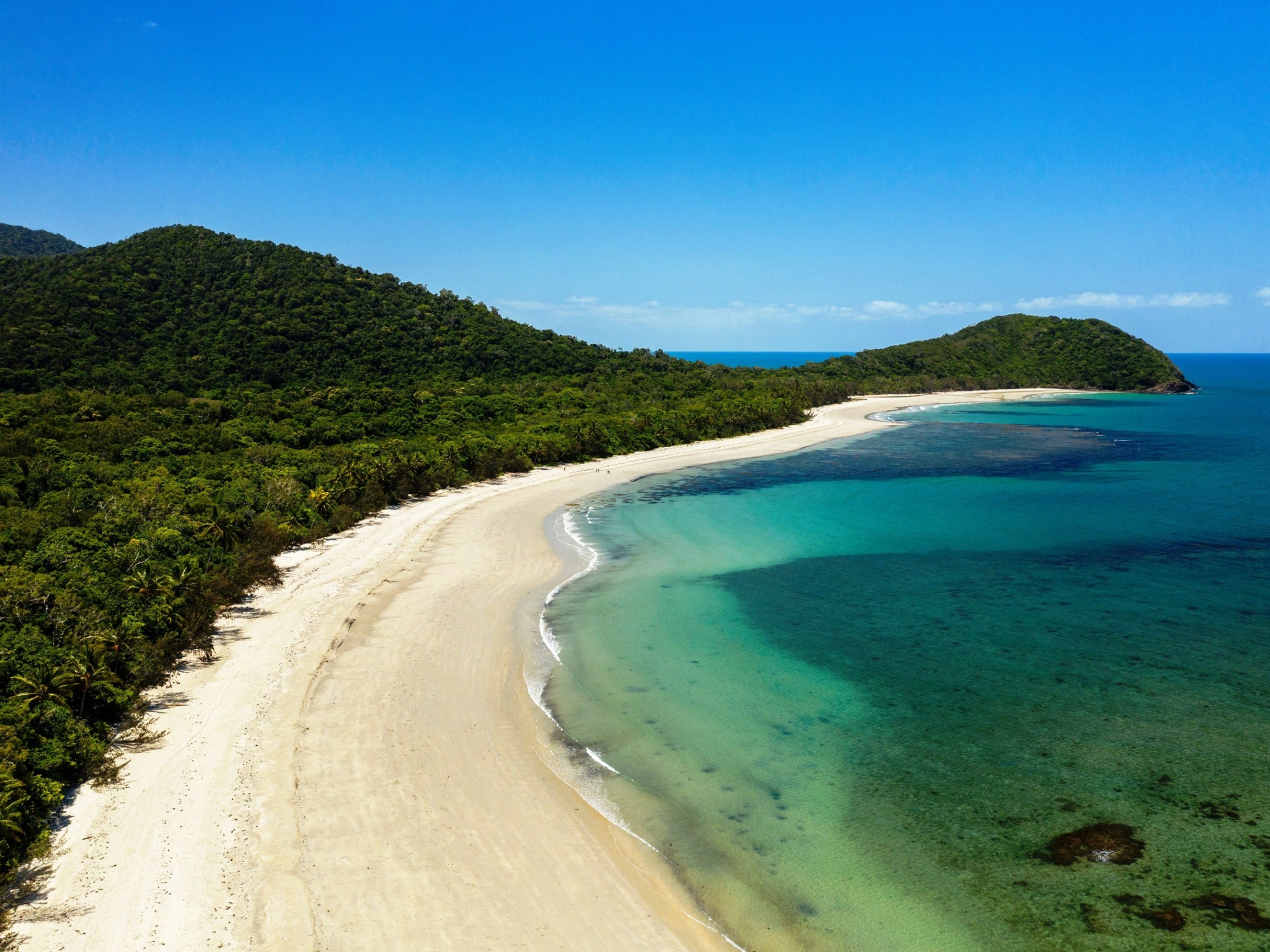
What makes it genuinely unusual is the geography. This is the only place on the planet where two natural World Heritage areas meet: the Wet Tropics rainforest runs straight down to the sand, and the Great Barrier Reef starts just offshore. You can stand on the beach with 180-million-year-old rainforest behind you and coral in front. Nowhere else does that.
It's also the practical end of the road. Beyond Cape Trib the sealed surface stops and the Bloomfield Track begins, 32 km of 4WD-only track to Wujal Wujal, with creek crossings and steep pinches, unsuitable for a hire car or a caravan.
Quick picks
The three ways we send people to Cape Trib from Cairns.
- Best day trip, adults onlyUncle Brian's Cape Tribulation day, river cruise, rainforest swim, beachSee the day →
- Best with Mossman Gorge addedCairns Discovery's premium Daintree and Cape Trib daySee the day →
- Best for wildlife and the riverBilly Tea, a full hour on the Daintree RiverSee the day →
On this page
How to get to Cape Tribulation from Cairns
There's one road, and it goes: Cairns → Captain Cook Highway up the coast → Port Douglas → Mossman → Daintree River ferry → Cape Tribulation Road → Cape Trib.
| From | To | Distance | Time |
|---|---|---|---|
| Cairns | Port Douglas | ~68 km | 1 hour |
| Port Douglas | Mossman | ~20 km | 20 min |
| Mossman | Daintree River ferry | ~30 km | 30 min |
| Ferry | Cape Tribulation | ~35 km | 45–60 min (winding) |
| Cairns | Cape Tribulation | ~140 km | ~2.5 hours direct |
Direct driving times in daylight. A tour takes 3–4 hours each way because it stops, and that's the point of it.
You do not need a 4WD to reach Cape Tribulation. The road is sealed the whole way and a standard hire car is fine. What you do need is patience: it's narrow, winding and full of blind corners north of the ferry, and there's genuine wildlife on it. You need a 4WD only if you continue up the Bloomfield Track towards Cooktown, and most hire agreements forbid that anyway.
Don't drive it at night. Cassowaries, wallabies and pigs are all on that road after dark, the corners are unlit, and there's no phone reception past Thornton Beach. Every local will tell you the same thing.
The Daintree River ferry
The cable ferry is the only way to cross the Daintree River, and there is no bridge. Practical details:
- Runs 5am to midnight, every day of the year, including Christmas.
- Takes about 30 vehicles and the crossing itself is roughly 10 minutes.
- Expect a wait in peak season: July to September is the busy stretch, and mid-morning northbound is the worst of it.
- You pay at the ferry, return fares available. On a tour it's included.
The ferry is also the moment the trip changes character. South of the river is farmland and sugar cane; north of it the canopy closes over the road and you're in the Daintree proper.
What to do at Cape Tribulation
Cape Tribulation Beach and Kulki boardwalk
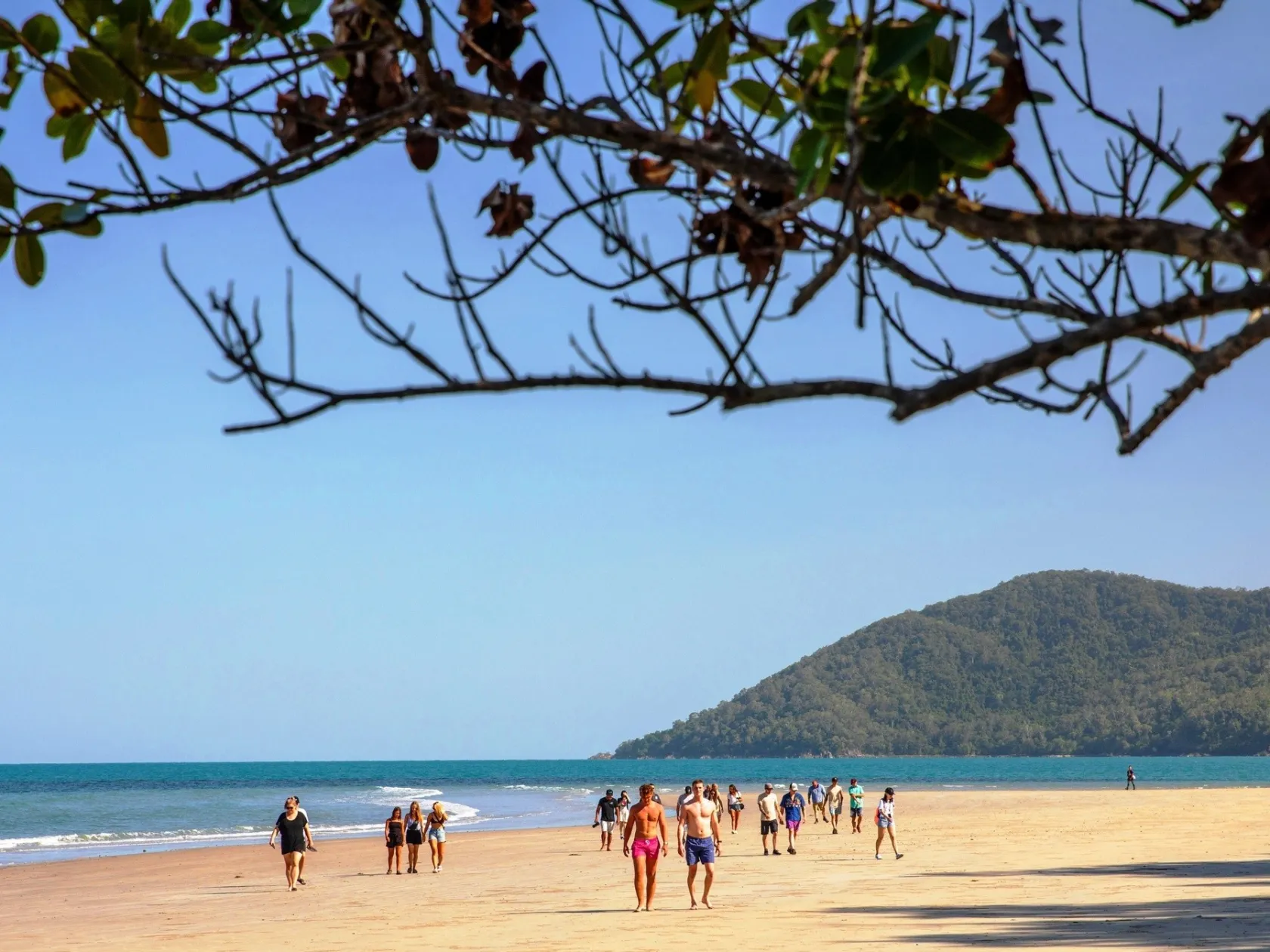
The main event, and free. A short boardwalk from the car park brings you out onto the beach where the rainforest meets the sand, with the headland to the north. Kulki lookout gives you the postcard view over the cape.
Dubuji and Marrdja boardwalks
Two elevated National Park boardwalks through mangrove and rainforest, both easy and both under an hour. Marrdja in particular takes you through the transition from rainforest to mangrove, which is the thing this coast does that nowhere else does.
A Daintree River wildlife cruise
Small boat, a guide, mangroves, and a decent chance of a wild crocodile. This is included on all three of the Cape Trib day tours we book. If crocodiles are on your list, read our guide to crocodiles in Cairns first.
Mossman Gorge
South of the ferry, so it fits on the way up or back. Crystal-clear river running over granite boulders through rainforest, with a boardwalk and Indigenous-guided walks available. Cairns Discovery's day includes a guided walk here.
Horse riding on the beach
Cape Trib Horse Rides runs beach and rainforest rides from $190. It is one of the few genuinely memorable things to do at the cape itself, and it books out, so check availability directly with them ahead of your visit.
Rainforest ziplining
TreeTops Adventure at Cape Tribulation runs a canopy course through the rainforest, the only jungle surfing setup in the area. See Cape Tribulation ziplining.
Snorkelling the reef from the cape
The reef here is close inshore and there are local operators running short trips out of Cape Trib. It's a different experience from a Cairns outer-reef day, smaller, closer, less coral variety. If the reef is a priority, do it properly from Cairns: see our reef tour comparison.
How long should you spend at Cape Tribulation?
Depends entirely on whether you're collecting the place or spending time in it.
| Time | What you get | Verdict |
|---|---|---|
| Day trip from Cairns | Daintree River cruise, one or two boardwalks, Cape Trib beach, ~5 hours in the car | Works. Most people do this and are happy. |
| One night | The same, minus the rush, plus a night walk and sunrise on the beach | The best value upgrade there is. |
| Two nights | Add a second activity, horse riding, ziplining, a local reef trip, Emmagen Creek | Where it starts to feel like a destination. |
| Three or more | Deep quiet, no phone signal, very little to do | Only if that's exactly what you want. |
If you have one day for rainforest and you're staying in Cairns, a guided day trip is the efficient answer.
A day trip means roughly five hours in a vehicle for maybe four hours on the ground. That sounds bad written down, but the drive is genuinely part of it, the coast road north of Cairns is one of the best in Australia, and a good guide fills the time. Our Daintree and Cape Trib tours are all built around that reality.
If you're deciding whether the whole rainforest side of the trip is worth it at all, we've argued that out in is the Daintree Rainforest worth visiting.
Is Cape Tribulation dangerous?
No, but it's remote, and the things that catch people out are specific. Here's the honest list.
Crocodiles, real, and easy to avoid
Estuarine crocodiles live in the Daintree River, its side creeks and the estuaries along this coast. Never swim in a river, creek or estuary here, and stay 5 metres back from the water's edge. Swim at the designated rainforest swimming holes instead, which is what the tours use.
Marine stingers, November to May
Cape Trib has no stinger nets. Box jellyfish and Irukandji are present in coastal water in season, and this is exactly the kind of shallow, sheltered coast they like. Locals don't swim off the beach here in those months. Full detail in our stinger season guide.
Cassowaries, keep your distance
A cassowary is a 1.8-metre flightless bird that can be genuinely dangerous if it feels cornered or has been fed. Seeing one is a highlight. Do not approach, do not feed, and if one walks towards you, put a tree between you and back away.
Wait-a-while and stinging trees
The rainforest here has a vine covered in backward hooks, and a tree whose sting hurts for weeks. Stay on the boardwalks and tracks, which is also better for the forest.
No phone reception
Coverage dies somewhere around Thornton Beach and there is none at Cape Trib. Download your maps before you cross the ferry, tell someone your plan, and don't rely on a phone if things go wrong.
The road itself
This is the genuine risk. Narrow, winding, wildlife on it, and tourists driving unfamiliar cars. Don't drive it tired or after dark, and let the traffic behind you past.
Limited services
One small store, a few cafes, no hospital, no ATM you should rely on. Fuel is expensive and limited, fill up in Mossman.
Want Cape Trib without driving it?
Every full-day Cape Tribulation tour we book includes the Daintree River wildlife cruise, the ferry, national park fees, a guide and a rainforest swim, so you spend the day looking out the window instead of at the road.
Compare Daintree tours →Tour or self-drive?
Both are legitimate. It comes down to who's in the car and how many days you have.
| Guided day tour | Self-drive | |
|---|---|---|
| Cost | $190–$270 per adult, all in | Car hire, fuel, ferry, park fees |
| Driving | None, someone else does 5 hours | You do 5 hours, on a hard road |
| River cruise | Included | Book separately at the ferry |
| Wildlife spotting | A guide who knows where things are | You'll drive past most of it |
| Flexibility | Fixed itinerary | Total, stop where you like |
| Staying overnight | Rarely offered as a day tour | Much easier |
| Best for | One day, no car, first visit, wanting the context | Two-plus days, confident drivers, own pace |
Our honest position: for a single day out of Cairns, take the tour. You get the cruise, the fees, the swim spot and someone who can tell a cassowary track from a pig's, and you don't arrive back in Cairns at 7pm having driven 280 km. If you're staying two nights or more at the cape, hire a car.
How we know this
We're based in Cairns and we book all three Cape Trib day tours, so we see which itineraries guests come back raving about and which ones felt like a bus trip. Distances, ferry hours and road conditions here are from official sources, not estimates.
Ferry hours and road conditions change, particularly in the wet season from January to March. Check conditions before you drive.
Cape Tribulation: our verdict
Go. It's 140 km and about 2.5 hours from Cairns, the road is sealed, and standing where the oldest rainforest on earth meets the Great Barrier Reef is worth the day. Take a guided tour if you have one day, the river cruise, ferry, fees and a guide are included, and you don't drive 280 km. Stay a night or two if you can; that's when the place stops being a photo stop. Don't swim in rivers, don't swim off the beach from November to May, and don't drive it after dark.